
How Palm Lights Candles Are Made – Behind the Craft
Every Palm Lights candle starts the same way. A kitchen. A lot of patience. And a stubborn refusal to cut corners.
When I set out to make candles that were safe to burn around my children, I didn’t just swap one ingredient for another. I went back to basics. Tested everything. And spent a full year figuring out what a truly clean candle actually looks like.
That same process is still how every Palm Lights candle is made today.
1. It Starts with the Wax
We use RSPO-certified sustainable palm wax. That’s it. No blends, no fillers.
Palm wax is something we genuinely fell in love with. The first time we saw it form those delicate crystalline, feathered patterns on the surface of a candle, we were hooked. No two candles ever look exactly the same. Each one is its own little thing.
But the reason we chose it goes deeper than looks.
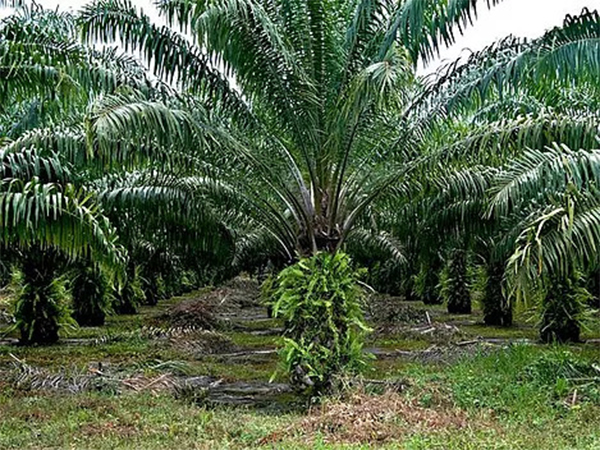
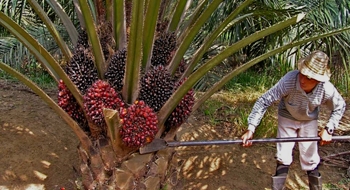
Palm wax comes from the fruit of the oil palm tree, a tree that lives for 25 to 30 years. Only the fruit is harvested each year. The tree stays rooted. The soil stays intact. The land doesn’t need to be cleared, re-tilled, or sprayed down with pesticides.
Oil palm is also the highest-yielding oil crop in the world. It produces more oil per hectare than almost any other plant. That matters because it means less land is needed to produce the same amount of wax.
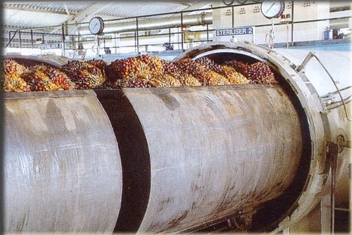
And the production process is clean. No harmful solvents. No chemical extraction. Palm wax is separated from palm oil through temperature fluctuations and pressure alone. Natural in, natural out.
We source our wax from a certified RSPO member. RSPO, the Roundtable on Sustainable Palm Oil, is the global body that sets standards for responsible palm cultivation. They protect forests, support smallholder farmers (who make up over 30% of palm oil production), and work to preserve orangutan habitats. We are proud members of RSPO too, and our wax is currently certified to MB grade.
2. Why We Won’t Touch Paraffin
Paraffin is the most common candle wax in the world. It is also one of the worst things you can burn inside your home.
Paraffin is a by-product of petroleum refining. When it burns, it releases benzene and toluene, both known carcinogens. It produces black soot that can be seen on the rim of the candle glass. Burning multiple paraffin candles in an enclosed space is not healthy for your air quality.
We simply won’t use it. We never have.
3. The Fragrance: Essential Oils Only
This is another thing we feel strongly about.
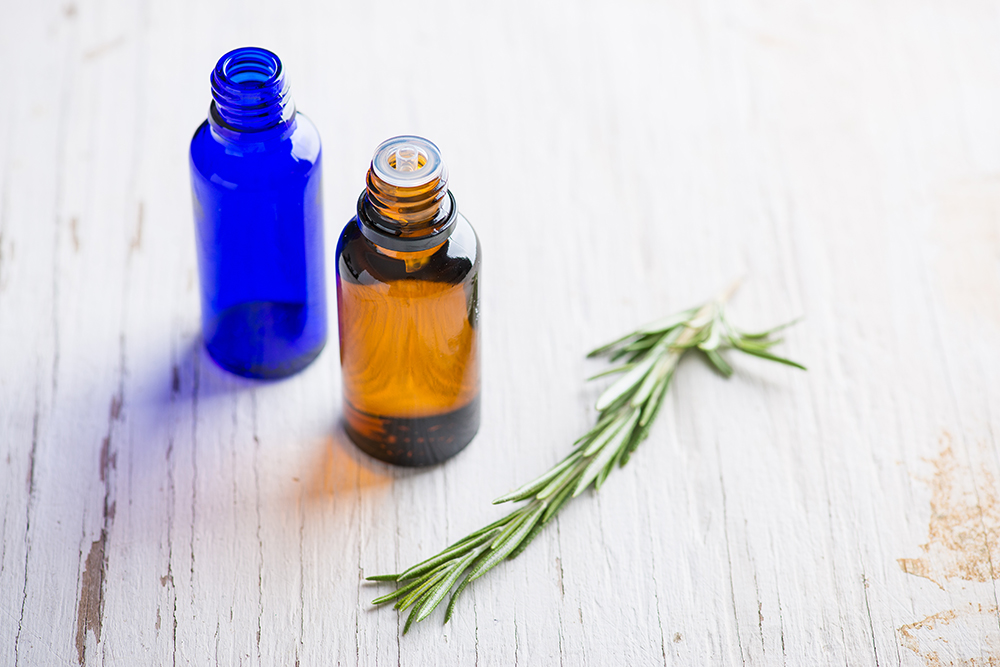
We work exclusively with 100% aromatherapy-grade essential oils. Every single scent in a Palm Lights candle comes from the actual plant, fruit, flower, herb, or spice it claims to be.
Essential oils have been used for thousands of years. Steam distilled, cold pressed, and wild-crafted wherever possible. They are real. They are complex. And they do things in the body and mind that synthetic copies simply cannot replicate.
We blend our oils by hand. It took months of experimentation to land on stable recipes that perform well in wax, hold their fragrance through the full burn, and smell true from the moment you open the box to the very last hour the wick is lit.
A few things we never use:
- Fragrance oils (lab-made synthetics that mimic natural scents)
- Over-harvested or endangered oils
- Animal-derived fragrances like musk, civet, or ambergris
If we can’t trace it and trust it, it doesn’t go in the candle.
4. The Wick
Cotton or wood. Always metal-free cores.
This matters more than most people realise. Metal-cored wicks (which are standard in many candles) can release trace amounts of heavy metals when burned. We cut that risk completely by using only natural fibre wicks.
5. The Making
Once the wax, fragrance, and wick are sorted, the actual candle-making begins. And it takes time.
Each candle takes 10 to 12 hours to make, then sits for a couple of days to cure properly. The palm wax needs that time to settle, crystallise, and form its signature surface pattern.
We use odourless, plant-based colour dyes. No synthetic pigments, no toxic aniline.
The result is a candle that looks handmade because it is handmade. Every single one.
6. The Packaging
Green packaging. Reusable glass jars with lids. A candle refill service so nothing goes to waste.
We think about the end of a candle’s life just as much as the beginning. The jar shouldn’t go in the bin. It should go back to us, or back on your shelf.
Why It Takes Longer (and Why That’s Fine)
Honestly? Making candles this way is slower, more expensive, and more demanding than modern automated heavy duty machinery.
Pure essential oils cost far more than fragrance oils. Certified sustainable wax requires more sourcing care than a bulk commodity. Creating a functional candle takes far more testing and development than purely ornamental candles.
But this is what the product demands. And we’re not interested in making anything less than this.
When you light a Palm Lights candle, the scent you’re breathing in is real. The wax burning is clean. The wick isn’t releasing anything it shouldn’t. That took a lot of work to get right, and we think it’s worth every bit of it.
Want to see the full range? Shop Palm Lights candles here.
.
Sorry, the comment form is closed at this time.